

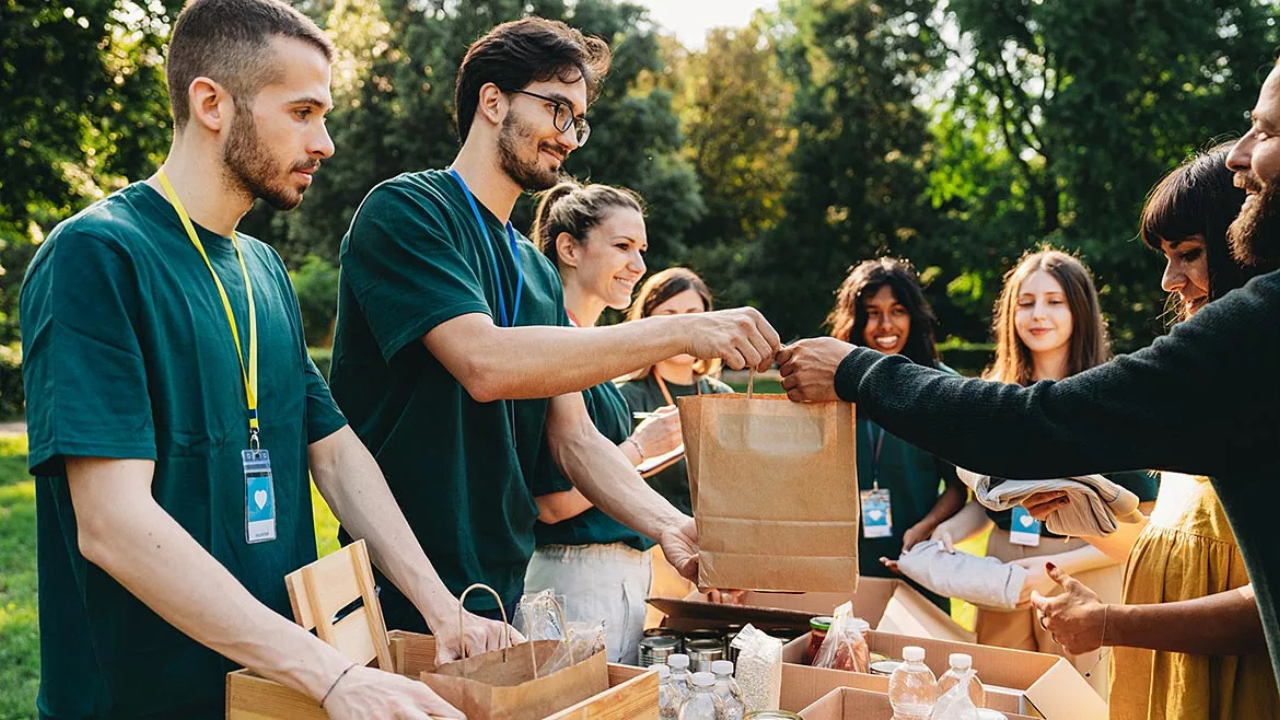
Corporate Social Responsibility (CSR) has become an essential aspect of modern organizational culture, with employees increasingly seeking employers who make a positive impact on the world. CSR team-building activities provide a unique opportunity to combine meaningful work with collaboration, allowing teams to engage in projects that benefit both the company and society. Strayboots Elite’s CSR-focused programs, not only enhance teamwork but also foster a deeper sense of purpose and social responsibility within the workforce.
In this blog, we’ll explore the value and impact of CSR team-building activities and how they contribute to employee engagement, morale, and long-term organizational success.
1. Why are CSR team-building activities becoming essential for modern companies?
CSR-focused team-building has shifted from a “nice-to-have” to a strategic requirement because employees want to work for companies that create real-world impact. Activities like Strayboots Elite’s SolarBuddy “Hour of Power” give teams a chance to contribute to global causes while improving collaboration and communication.
CSR experiences enhance company culture, strengthen purpose-driven leadership, and increase employee engagement. When teams build solar lights, assemble care packages, or complete impact projects, the shared purpose deepens unity and reinforces corporate values in a memorable, actionable way.
2. What makes SolarBuddy one of the most impactful CSR activities?
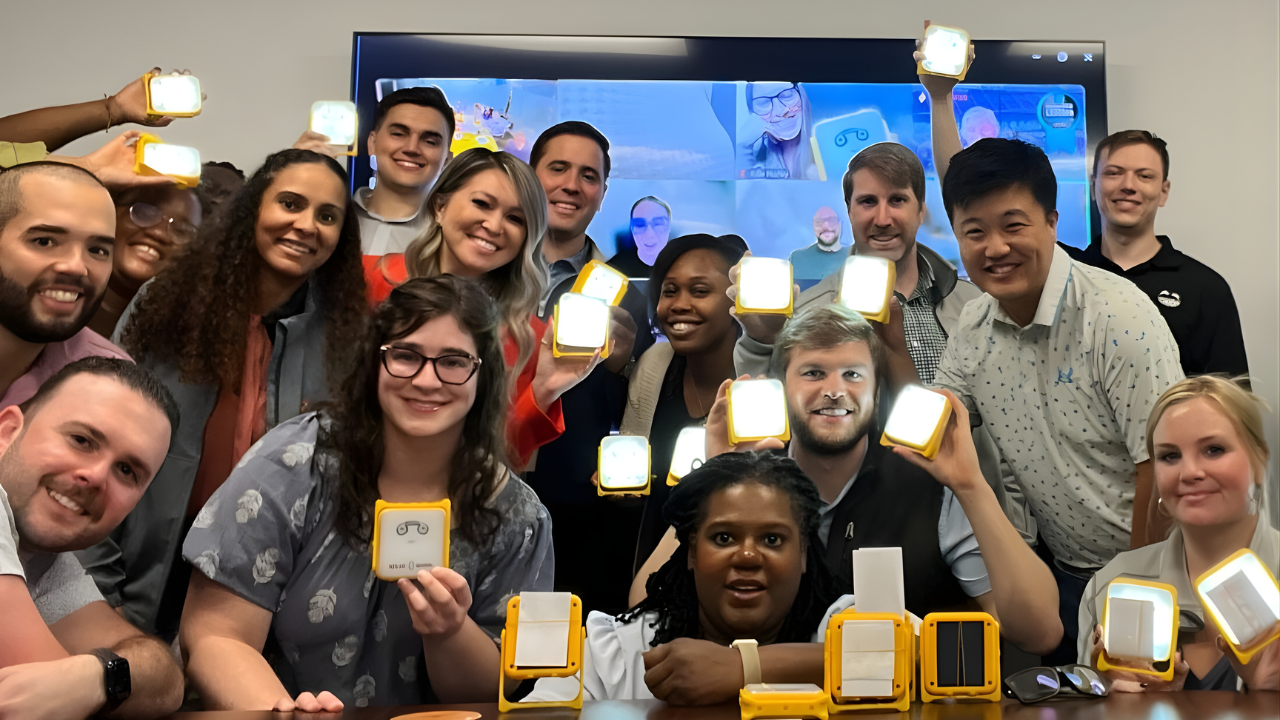
SolarBuddy stands out because it connects team-building with immediate humanitarian impact. Teams assemble solar lights that are shipped to children living in energy poverty. This turns a two-hour corporate activity into a life-changing global contribution.
The experience blends storytelling, hands-on collaboration, and a clear mission. Participants see how their work improves safety, education, and opportunity for children worldwide. Strayboots Elite helps facilitate this experience at scale for corporate groups of all sizes, ensuring teams feel purpose, accomplishment, and connection.
3. How do CSR activities improve team morale and engagement?
CSR activities activate emotional engagement, which is the strongest predictor of long-term team connection. When people work together to create something meaningful—like lights, supply kits, or community resources—the sense of shared contribution strengthens trust and morale.
Strayboots Elite’s CSR programs are intentionally structured to highlight teamwork under positive pressure. Teams leave feeling proud, connected, and aligned with their company’s mission. This translates directly to stronger workplace relationships and increased retention.
4. What types of CSR team-building activities work best for large groups?
The best large-group CSR activities are structured, repeatable, and easy to scale. SolarBuddy, school-supply builds, food kit assemblies, and hygiene-kit programs all work exceptionally well because they allow hundreds of participants to contribute simultaneously.
Strayboots Elite uses table-based CSR assembly stations, competition formats, and team rotations to keep engagement high. This approach ensures that whether you have 50 participants or 1,000, everyone feels involved and essential to the impact being created.
5. What’s the difference between meaningful CSR and surface-level volunteering?
Surface-level CSR feels transactional—teams may enjoy the activity, but the purpose doesn’t land. Meaningful CSR connects the task to a real human outcome and provides clear understanding of the lives being affected.
Strayboots Elite programs incorporate storytelling, cultural context, and real voices from the communities receiving support. Participants understand exactly how their contribution helps solve urgent global challenges. This makes the experience memorable and deeply felt rather than simply enjoyable.
6. How do CSR activities reinforce leadership values?
CSR experiences reveal leadership qualities in real time—empathy, humility, accountability, and service. When teams are united around a cause, leaders naturally step into roles that emphasize support over direction and collaboration over authority.
Strayboots Elite facilitators use guided reflection to help leaders articulate how purpose-driven work strengthens team alignment. These insights often become catalysts for more compassionate, people-focused leadership behaviors inside the organization.
7. How can companies integrate CSR activities into existing conferences or offsites?
A: CSR elements fit seamlessly into annual kickoffs, leadership conferences, and multi-day meetings. A two-hour block is usually ideal, and Strayboots Elite can structure the activity immediately before or after high-content sessions to create emotional balance.
The key is framing: when leaders position CSR as part of the organization’s identity and not just an “add-on,” engagement and impact increase significantly. CSR activities can also be used as a conference finale to leave participants energized and inspired.
8. Why do teams remember CSR experiences longer than typical team-building events?
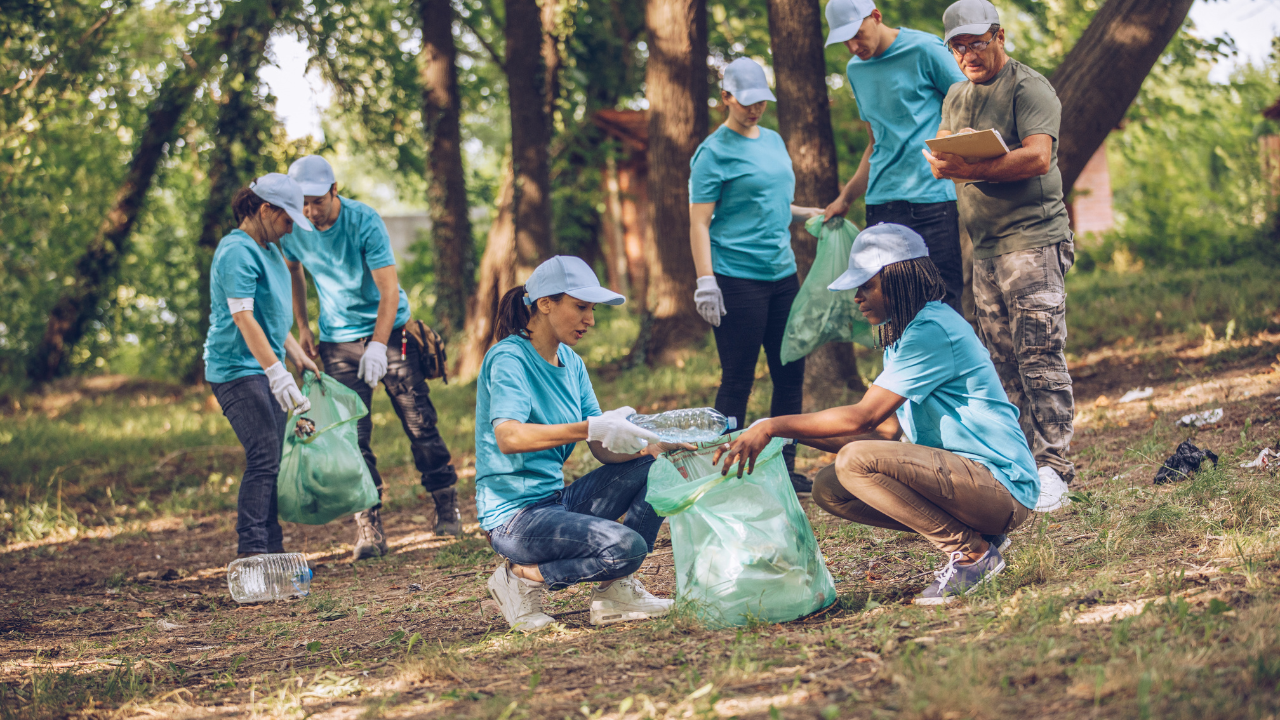
People remember moments that trigger emotion, meaning, and connection. CSR activities create all three. When teams build something that changes another person’s life, the emotional anchor is far stronger than a typical game or challenge.
Strayboots Elite uses high-impact stories, visual demonstrations, and community narratives to deepen this connection. Participants leave feeling like they made a difference—an experience that stays with them for years and elevates company pride.
9. How do CSR programs support company culture during times of change?
During transitions—mergers, reorganizations, leadership shifts—CSR activities offer teams a unifying purpose that transcends structural change. They reinforce shared identity and remind employees of the human side of the organization.
Strayboots Elite designs CSR programs that highlight collaboration, empathy, and connection. This helps stabilize culture and strengthens trust during periods of uncertainty. It’s one of the most effective ways to rebuild cohesion quickly.

10. What’s the long-term value of running CSR activities consistently?
Companies that run CSR activities consistently see measurable improvements in employee loyalty, engagement, and cultural resilience. Purpose-driven teams perform better, stay longer, and collaborate more effectively.
Strayboot’s Elite clients often integrate CSR programs quarterly or annually because the ROI compounds over time—employees feel proud of their contribution, and teams bond through shared experiences. Long-term CSR investment becomes a culture differentiator that strengthens both internal and external brand perception.

Building a Purpose-Driven Culture Through CSR Team-Building Activities
CSR team-building activities have proven to be far more than just feel-good experiences. They have become an essential tool for organizations to strengthen company culture, boost employee morale, and drive measurable social impact. These activities not only enhance teamwork but also align employees with a greater sense of purpose, which improves engagement, collaboration, and retention. By incorporating CSR programs into team-building initiatives, companies create lasting memories and foster a sense of pride that extends far beyond the office walls.
Contact Strayboots to discover how CSR team-building programs can create both social impact and long-term value for your organization.