

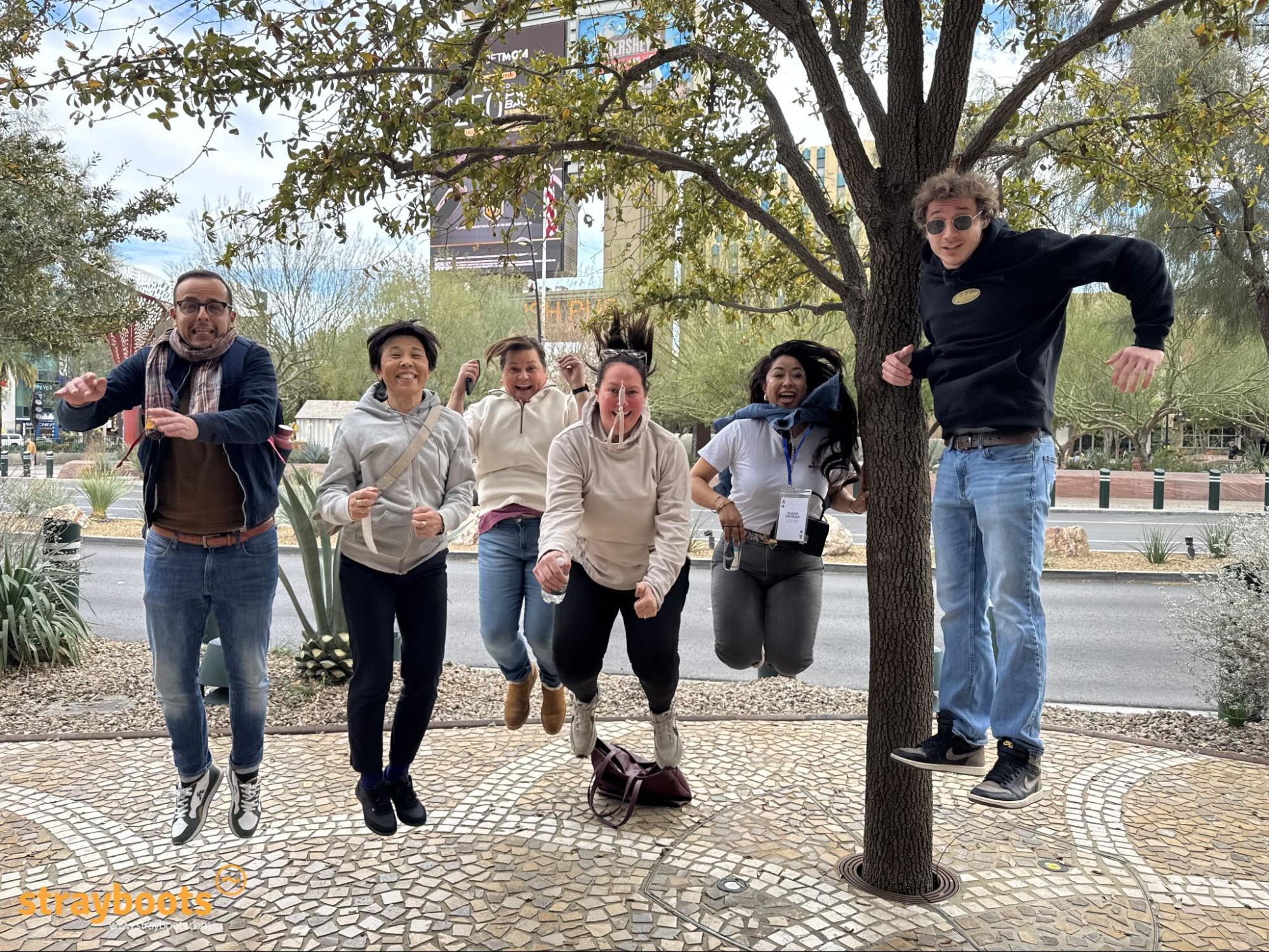
Team building for spring at the start of 2026 is the perfect way to reset how your teams work together. Rather than squeezing in one more offsite and hoping for the best, smart HR and People leaders are building a year-long plan that uses spring as the kickoff—connecting everyday work, seasonal events, and clear culture goals. In practice, that means treating spring as a strategic window for team building training, using practical workplace activities, light-touch workshops, and city-based experiences to keep energy high as projects ramp up.
Done well, spring becomes more than a “nice time to get outside.” It turns into a defined season for reinforcing communication habits, rebuilding trust after a busy Q1, and lifting morale when teams are starting to feel the pressure again. That’s where knowing how to cheer people up in meaningful, sustainable ways—beyond pizza and posters—becomes critical.
This guide walks you through how to design training that actually changes behavior, not just fills a calendar, so your 2026 team-building efforts feel intentional, repeatable, and worth the budget.
Why Team Building Training Matters More in 2026
As organizations head into 2026, workplace dynamics continue to evolve. Hybrid schedules, cross-functional collaboration, and faster project cycles mean teams can’t rely on occasional morale boosts alone. What’s needed is intentional team building training programs designed to improve how people communicate, problem-solve, and work together over time.
When combined with practical tips to improve your workplace environment, team building training becomes part of a broader culture shift—not just a standalone initiative.
For HR leaders, People Ops teams, and managers planning Q1–Q2 initiatives, the New Year presents a critical planning window. Teams are setting goals, budgets are fresh, and engagement strategies can be aligned with business priorities before workloads peak in the spring.
Done right, team building training becomes a competitive advantage helping teams move faster, collaborate better, and stay engaged through the busiest parts of the year.
Team Building Training vs. One-Off Activities
Traditional team building activities often focus on a single day of fun. While enjoyable, these experiences rarely create lasting change on their own.
Team building training, by contrast, is structured and intentional. It connects activities to real workplace behaviors—communication, leadership, trust, and adaptability—and reinforces those skills over time.
Research backs this up: a large meta-analysis of controlled team-training studies found that structured team training produced moderate, consistent improvements in performance (effect sizes around 0.4–0.7) across task skills and teamwork skills, especially when it used active, hands-on methods rather than one-off lectures. Programs that targeted multiple aspects of teamwork (for example, both communication and coordination) also showed stronger gains than those focused on a single dimension.
The most effective programs blend:
- Short-term workplace activities in Q1 to reset habits and expectations
- Team building that activates those skills during higher-pressure project cycles
- Clear objectives tied to performance, not just participation
This approach ensures activities support business outcomes rather than competing with them. If you want to connect activities more directly to learning and development, our corporate education 101 guide outlines how training, team building, and performance should work together.
A Simple 3-Step Framework for Team Building Training in 2026
To help teams plan effectively, many organizations use a straightforward framework that aligns training with the year’s flow.
1. Assess (New Year / Q1)
Start by identifying what your team needs most in 2026. Is it stronger communication across departments? Better collaboration in hybrid environments? Faster decision-making?
Early-year workplace activities are ideal for uncovering gaps and setting shared expectations before major initiatives begin.
2. Train (Q1 Foundations)
Once priorities are clear, introduce structured team building training through guided activities. These should challenge teams to collaborate, think strategically, and problem-solve in ways that mirror real workplace scenarios.
This is where team building activities in the workplace play a critical role, giving teams a safe environment to practice new behaviors.
3. Activate in Spring (Q2)
As workloads increase from April through June, teams benefit from experiences that reinforce what they’ve learned. Locking in corporate team building for spring activities helps teams apply skills under pressure, strengthening trust and momentum when it matters most.
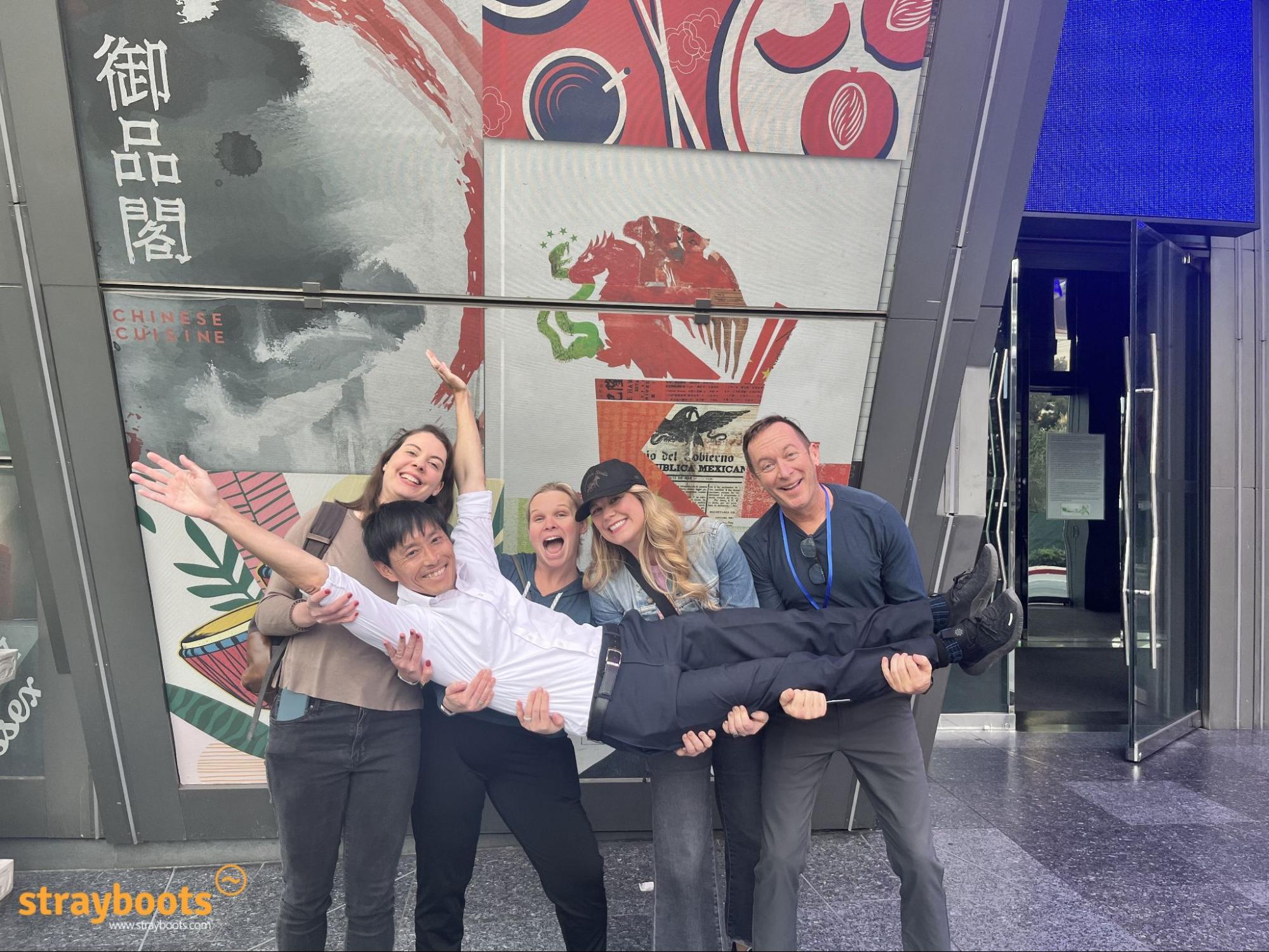
What Team Building Activities Work Best in the Workplace Before Spring?
Before spring deadlines and offsites ramp up, teams benefit most from activities that are:
- Time-efficient and easy to schedule
- Collaborative rather than competitive-only
- Designed for mixed seniority and hybrid teams
Problem-solving challenges, interactive experiences, and guided team-based activities work especially well early in the year. They help teams reconnect after the holidays and establish stronger working rhythms heading into Q2.
As spring approaches, there are powerful reasons to team build with your team outside, especially when you’re ready to move from indoor sessions to on-the-move experiences.
Planning Corporate Team Building Activities for Spring (April–June)
Spring is one of the most popular seasons for corporate events for good reason. Teams are energized, the weather improves, and organizations often schedule off-sites or regional meetups. For teams considering more active formats, it helps to understand the benefits of outdoor corporate activities and how they support engagement, morale, and performance.
To avoid last-minute scrambling, HR teams should plan spring activities early in the year. Corporate team building activities are especially effective during this period, combining engagement with strategy, collaboration, and movement.
Booking early also allows teams to align spring events with training goals established in Q1, creating continuity rather than disconnected experiences. For concrete inspiration, you can browse Spring 2026 team building activities that slot neatly into your Q2 calendar.
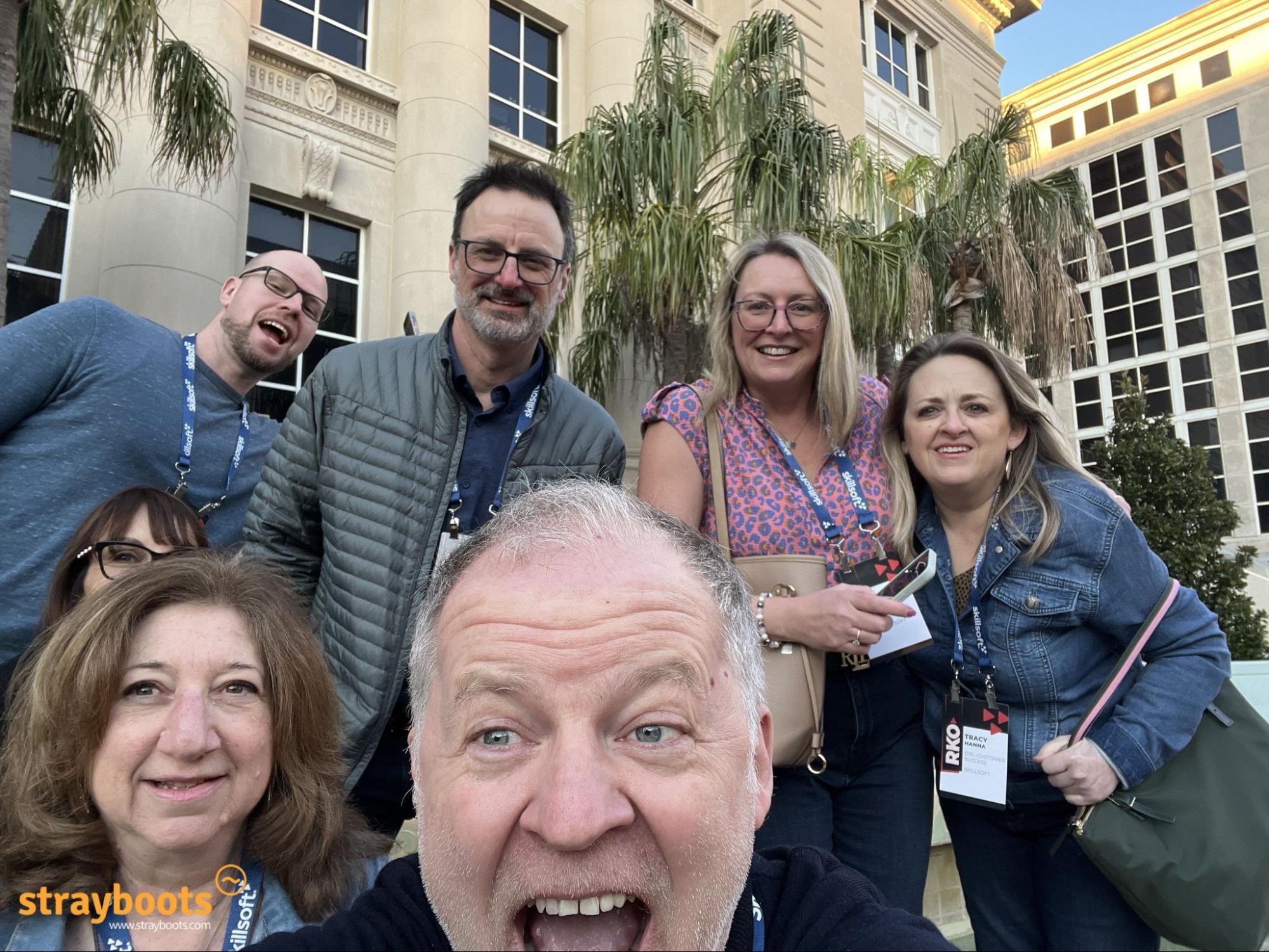
How Often Should We Run Team Building Training in 2026?
Short answer: more often than once a year.
Most organizations see the strongest results by:
- Running quarterly touch points tied to business cycles
- Using shorter workplace activities early in the year
- Reinforcing skills with larger activations in spring or early summer
This cadence keeps team development top of mind without overwhelming calendars or budgets. This is why team building for spring meshes well with these corporate goals.
How Our Team Building Training Works From Planning to Game Day
Successful team building training depends on more than choosing the right activity; it’s about execution. Understanding how our team building training works from planning to game day helps teams ensure activities align with goals, logistics, and team size.
From initial planning through facilitation and execution, structured programs remove guesswork and allow teams to focus on engagement and outcomes rather than coordination.
Looking Ahead: Team Building Training for 2026 and Beyond
The New Year isn’t just a fresh start; it’s a strategic window. Organizations that invest in team building training early in 2026 are better positioned to handle growth, change, and complexity as the year unfolds. When you treat team building as part of your operating rhythm—not a once-a-year perk—you get more resilient, aligned teams.
By pairing workplace activities now with teambuilding for spring, you create a cadence of engagement that lasts well beyond a single event. For companies with offices across the USA and beyond, this approach supports consistent culture, stronger collaboration, and better performance—regardless of time zone or location.
If 2026 is the year your organization wants to work better together, the planning starts now. Map your goals, choose the seasons that matter most for your team, and let an expert partner handle the heavy lifting. Contact Strayboots to start building your 2026 corporate team-building calendar and turn good intentions into a concrete, engaging plan.